As Turkey heads to crucial presidential and parliamentary elections on June 24, it has become clear that opposition party candidates’ campaigns lack any foreign policy strategies and seem to be underestimating Turkey’s importance to Europe, the US and Russia.
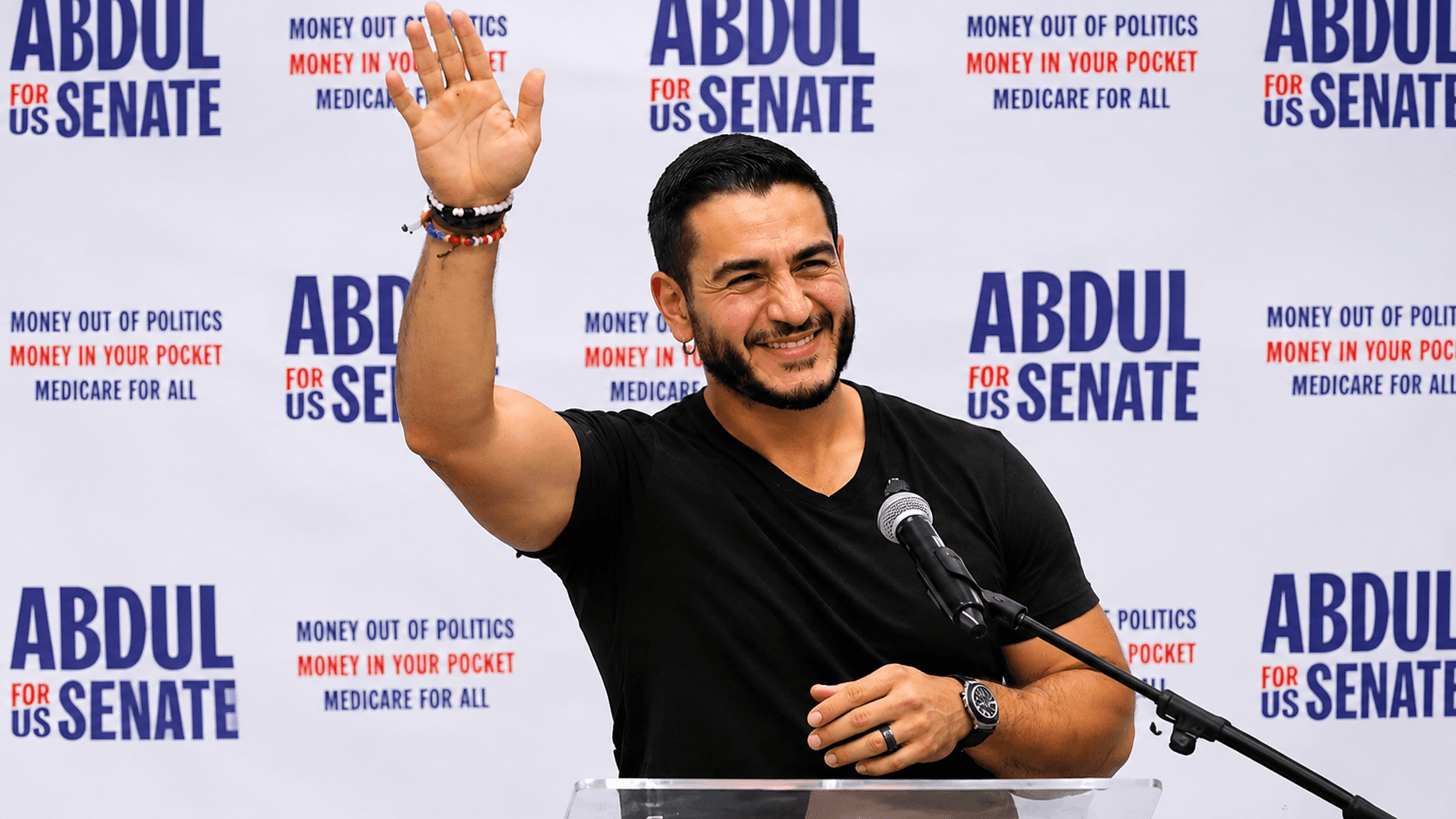
Although likely to be president if the incumbent, Recep Tayyip Erdoğan, loses, Muharrem İnce, the Republican People’s Party’s (CHP) nominee, only offered an “effective and stable” foreign policy during a May 12 rally in Afyon. In a TV appearance four days later he simply criticized Erdoğan’s aggressive tone on international issues. He will unveil an election manifesto on May 19, hopefully with an extensive plan on foreign policy.
The İYİ (Good) Party’s presidential candidate, Meral Akşener, who according to some polls may outperform İnce, during the opening speech of her party’s election campaign on May 14 only promised a new line on foreign policy by prioritizing terrorism.
However, the country in recent years has been involved in many important international developments in the region. Besides being a NATO member, Turkey has also formed alliances with Russia and Iran over the Syrian civil war. Russia’s effect on Turkish politics should not be underestimated since “[President Vladimir] Putin has talked with Erdoğan twice as many times as with anyone else” in his last six years in the Kremlin, in addition to military agreements such as the S-400 air defense system purchase between the two countries.
On the other hand, institutions involved in exerting Turkey’s soft power, such as the Turkish Cooperation and Coordination Agency (TİKA), have operations in the Balkans and African countries, mostly helping to create an image of Erdoğan as a world leader. In addition to official institutions, Erdoğan uses economic investment as a tool in international relations, by which in many cases he has been able to force some countries to close Gülen schools and extradite Gülen-linked people. The ruling Justice and Development Party (AKP) has proxies in other countries like Bulgaria’s Democrats for Responsibility, Freedom and Tolerance (DOST), the Netherlands’ DENK and Germany’s Union of German Democrats (ADD).
The Turkish opposition believes economic problems are the major concerns of public; however, in a financially interdependent world they seem unprepared to manage it. On the other hand, this week President Erdoğan visited the United Kingdom to meet with important fund managers as well as UK Prime Minister Theresa May. It was part of a greater plan to save the Turkish economy, which desperately needs foreign investment in order to survive.